Less guesswork.
More useful notes.
Practical answers to the small questions that make tracking easier.

A migraine diary you can keep on a bad day
Start with a few useful details, leave uncertain times approximate, and make a short summary for your next appointment.
How to keep a blood pressure log with two readings
A clear record keeps both measurements, their time, and anything that affected the measurement.
What belongs in a blood sugar log?
Keep units, timing, and context beside each glucose result so the numbers still make sense later.

Turn scattered symptom notes into an appointment summary
A simple timeline can explain what changed, what gets interrupted, and what you want help understanding.
A bipolar mood log needs more than “good” or “bad”
Record mood, energy, and sleep separately so your notes preserve changes that a single score can hide.
A BPD journal entry without self-judgment
Use a short sequence—situation, feeling, response, and what helped—to create notes you can discuss in therapy.

What to record in a POTS symptom log
Posture and activity can give a symptom note more context than an isolated heart-rate number.
Organize TRT records before a follow-up appointment
Keep prescribed treatment, actual administration, and blood-test details in a clear timeline.

A tinnitus diary that records impact, not just loudness
Short notes about sleep, concentration, and listening situations can make a follow-up discussion more specific.

What to write down before a hearing appointment
Examples from real listening situations can be more useful than a single home-test score.
Dietary cholesterol logs and blood tests are different records
Keep food intake in one record and laboratory results in another so the two are not confused.
The serving-size mistake that changes a sodium log
A label amount needs the matching portion. Here is a simple way to keep the arithmetic visible.

A protein log that keeps portions and grams straight
Distinguish the weight of a food from the grams of protein it contains, then use one consistent record format.
Keep total and “net” carbohydrate separate in your log
A record is easier to use when it says which carbohydrate figure you entered and where it came from.
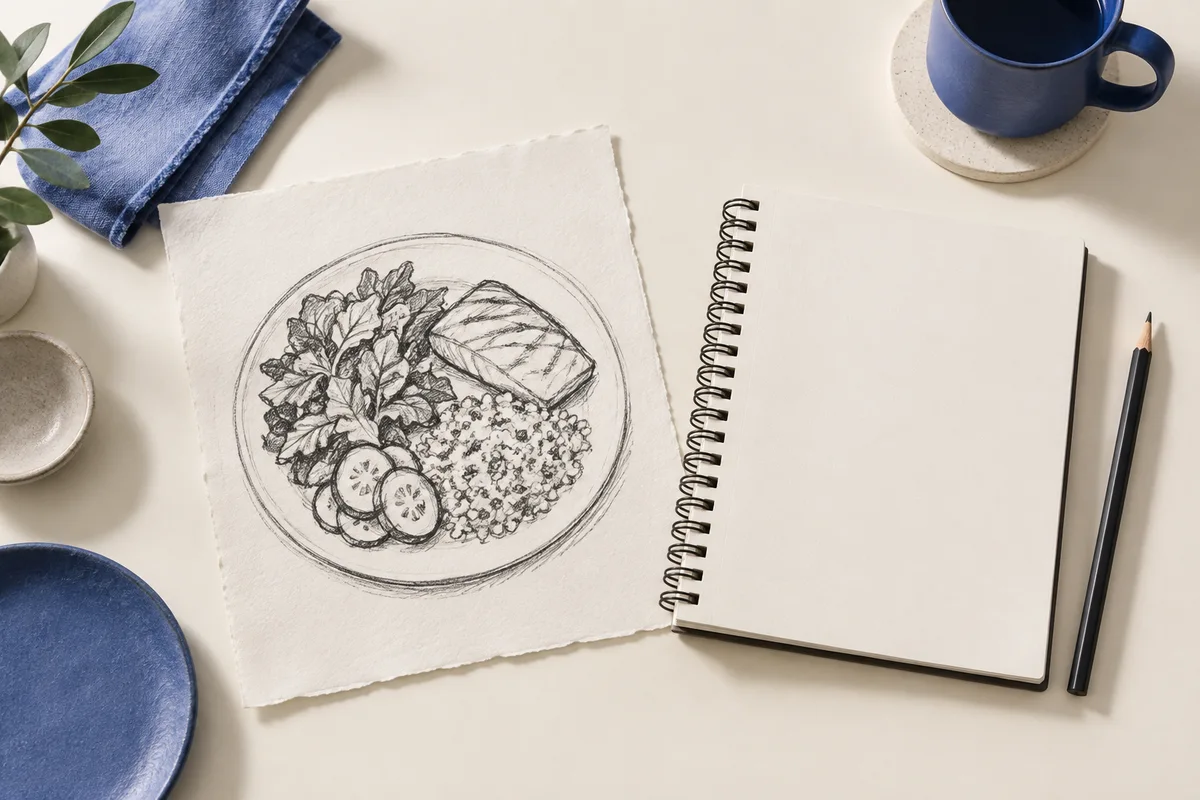
How to keep a food log when portions are estimates
A useful food record can acknowledge uncertainty instead of turning every meal into an exact-looking number.

An alcohol log needs drink size and strength
“One drink” can describe very different amounts. Keep volume and ABV beside the name.

Make a supplement list your pharmacist can use
Product names, ingredient amounts, and actual use make a clearer record than “I take a multivitamin.”
Record meal timing without turning it into a fasting target
A neutral timing log can show when you eat and how the day fits together, without prescribing a schedule.

Contraction duration and frequency: two different timings
Record the start and end of each contraction, and keep the start-to-start interval separate from the rest between them.

Fill in a sleep diary in the morning, without clock-watching
Keep time in bed, estimated time asleep, and daytime effects separate in a simple record.