Your health.
In your own words.
Practical guides, free tools, and companion apps to help you understand your records and prepare for your next conversation with a clinician.
Explore your topicWhat do you want to keep track of?
Migraine
A headache diary you can keep on a difficult day.
Guides · Free tools · iPhone appMeasurementsBlood pressure
Keep readings and their context together.
Guides · Free tools · iPhone appMeasurementsBlood sugar
Record glucose readings with units and meal timing.
Guides · Free tools · iPhone appSymptomsSymptoms & mood
Describe what happened without having to name a diagnosis.
Guides · Free tools · iPhone appMental wellbeingBipolar mood
Keep mood, energy, and sleep in the same picture.
Guides · Free tools · iPhone appMental wellbeingBPD journal
Make space for changes across the day.
Guides · Free tools · iPhone appUseful on your phone.
Your record stays yours.
Use a log in your browser, export a spreadsheet, or print a blank sheet. Choose an iPhone app when reminders and a longer history would help.
Open the free toolkitMake your next entry count.
All guides ↗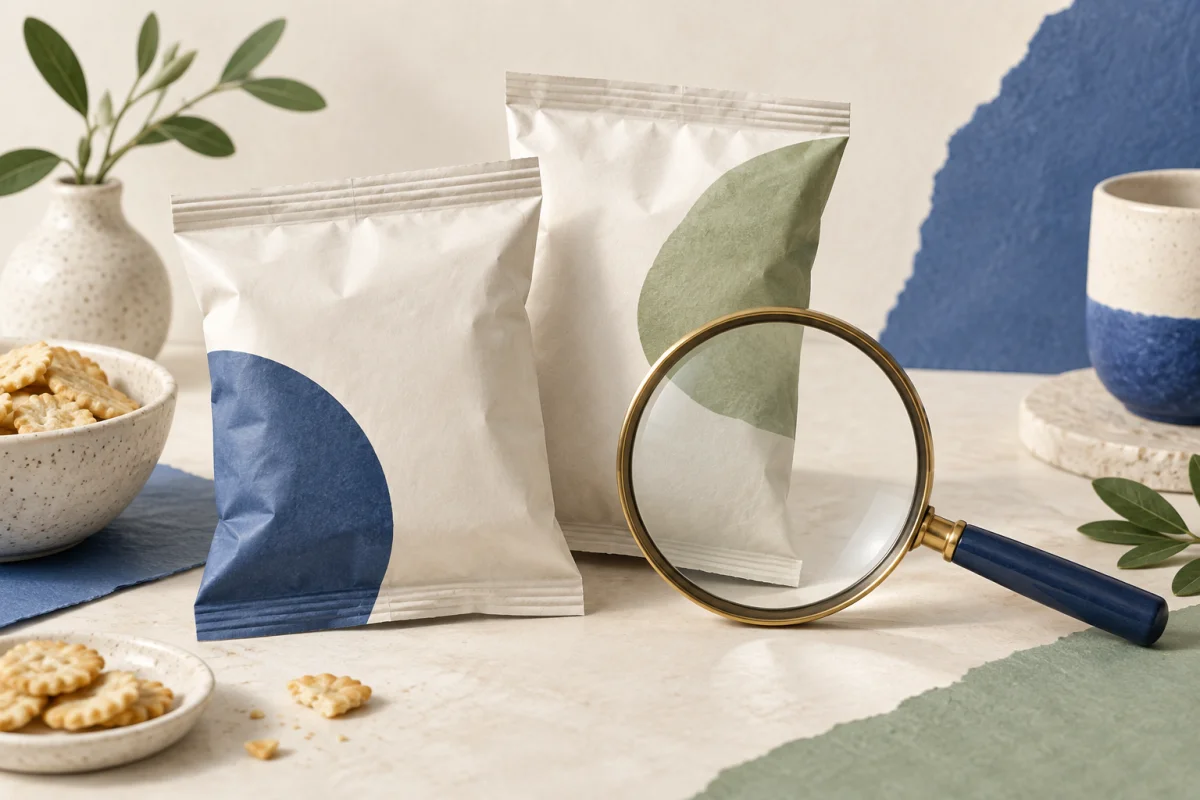
What sugar-free tells you about a carbohydrate label
Check the total carbohydrate row, serving basis and ingredients when a package says sugar-free. The front claim does not describe the whole food.
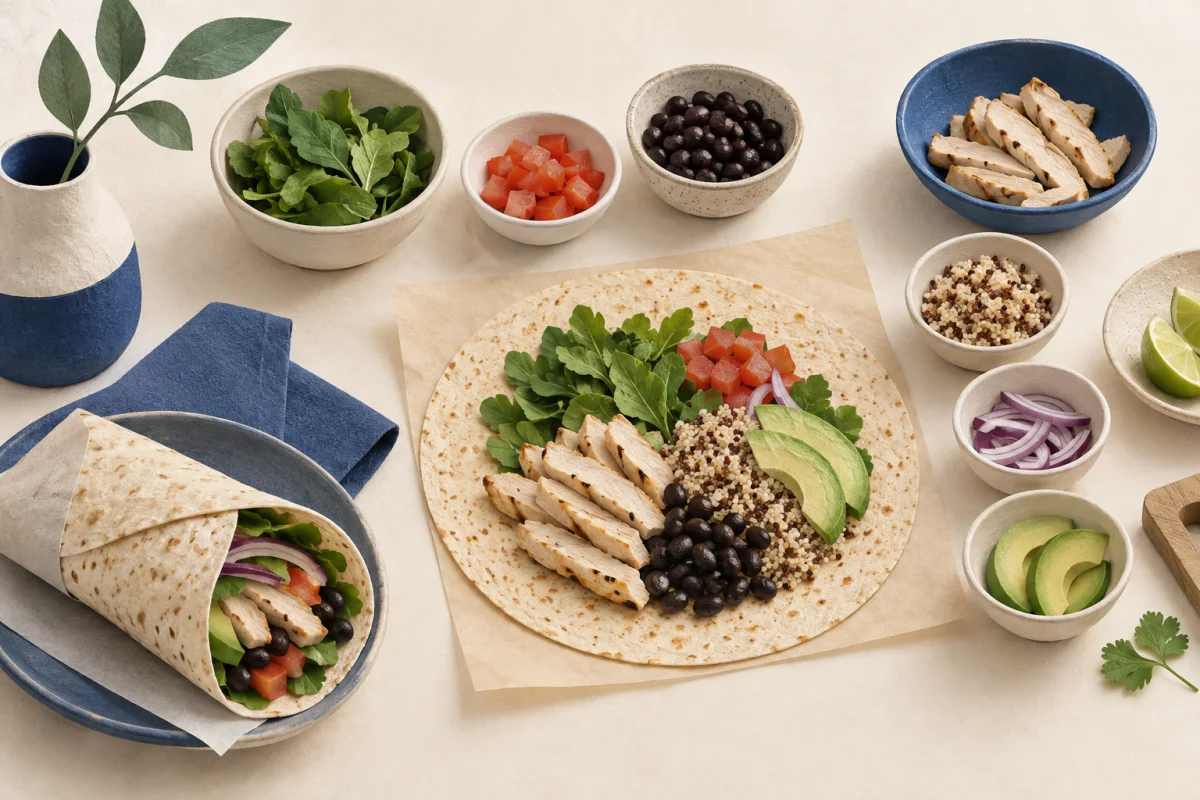
Count protein in a mixed meal without duplicate ingredients
Choose a whole-meal entry or an ingredient breakdown, then check toppings, sauces and additions so your protein record does not count them twice.
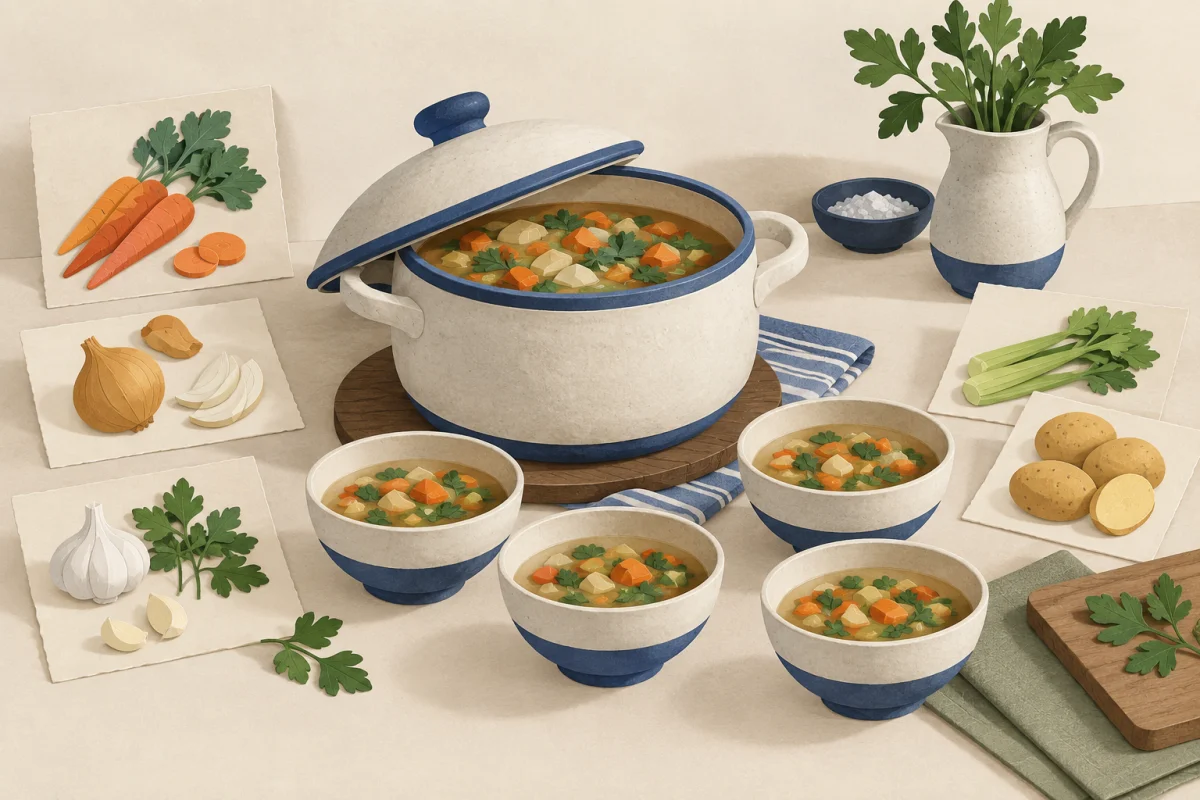
Calculate sodium in a homemade recipe and its portions
Work from ingredient labels to a recipe total, then divide by the finished yield. Keep missing sodium amounts and uneven portions visible.
Record, don't diagnose
A log describes your experience. A qualified clinician helps you understand what it means.
Enough detail to be useful
Capture a time, a measurement or symptom, and the context. Leave room for uncertainty.
Sources you can check
Guides link to their references and explain where the advice ends.
How we create content ↗