Protein
Understand. Record. Prepare.
Log protein without losing track of serving size.
 AI-created editorial illustration
Food weight versus protein amount
A 150 g portion of food does not contain 150 g of protein. The nutrition label gives protein for its specified serving, while a scale gives the total weight of the food. Matching these two quantities is the first step before comparing products or adding a meal to a diary.
A protein entry combines the food, its preparation, the portion, and the amount of protein attributed to that portion. Grams of food and grams of protein describe different things. The quality of a total depends on choosing a source that matches what you actually ate.
Here you can learn how to handle serving sizes, scale a label with the protein portion calculator, and keep a food record. Protein Tracker+ adds database and reporting features; this hub does not calculate a personal daily protein target.
Practical guides for this topic.
Detailed examples, record-keeping questions, and sources you can check. New published guides for this app appear here automatically.
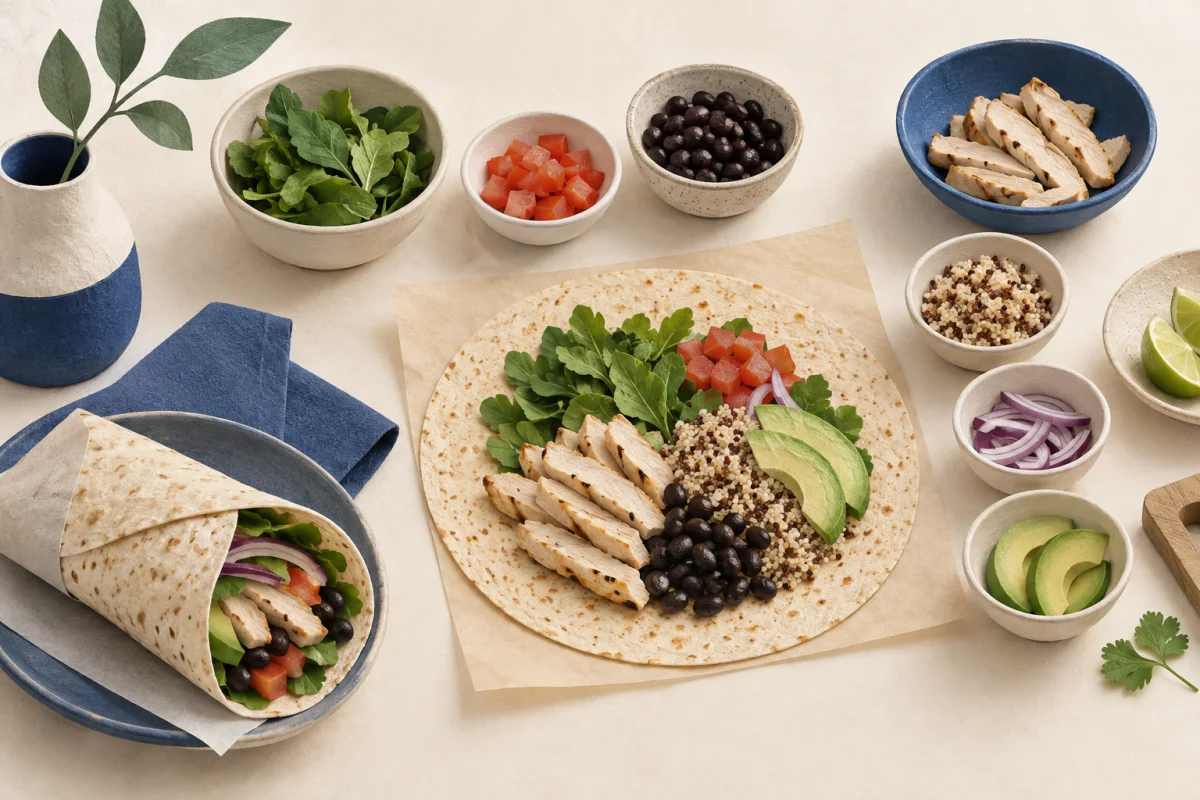
Count protein in a mixed meal without duplicate ingredients
Choose a whole-meal entry or an ingredient breakdown, then check toppings, sauces and additions so your protein record does not count them twice.
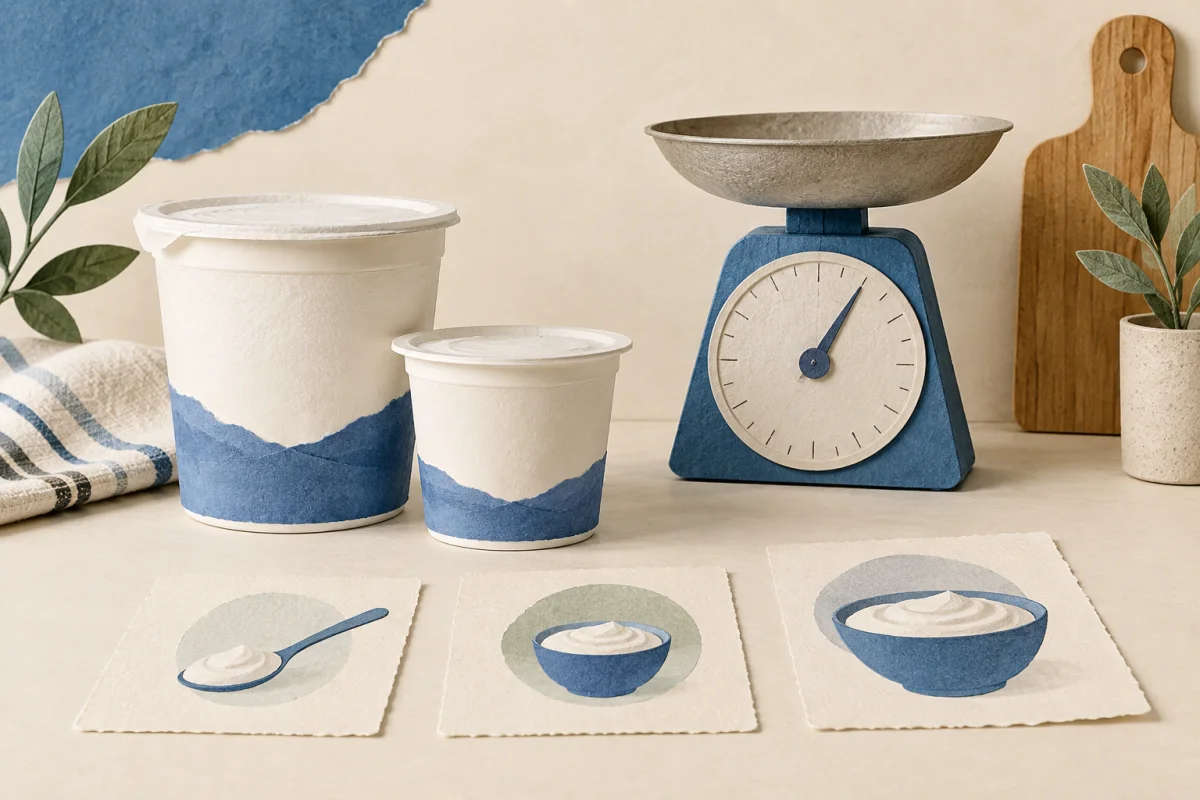
Compare protein labels on the same serving basis
Resolve different protein numbers on the front and back of a package by checking per-serving, per-container and per-100-gram quantities.
A protein log that keeps portions and grams straight
Distinguish the weight of a food from the grams of protein it contains, then use one consistent record format.
Choose what you need today.
Browser log
Record individual entries, export CSV, or choose local saving.
Open log ↗02Printable sheet
Download a one-page A4 or US Letter PDF, or print a blank sheet from your browser.
Open sheet ↗InteractiveMeal protein total
Add protein from up to three labelled foods in one meal.
Use this tool ↓03Protein portion calculator
Check serving arithmetic using your label and portion.
Use calculator ↓Meal protein total
Enter grams of protein per labelled serving and how many of those servings you ate. Fractional servings work. Leave both fields blank to omit a food; an omitted food is not counted as zero intake.
Your result
Read the result before sharing. Your answers and PDF stay on this device unless you choose to share them.
This is the subtotal for foods entered, not your daily intake or protein requirement. Portion estimates and rounded labels limit precision.
Sources and how this tool works
Original HealthLogKit tool; source checks are not clinical validation. No diagnosis or treatment plan is generated. Sources checked 2026-09-20.
- FDA: understanding Nutrition Facts ↗
Serving size, nutrient amounts and label arithmetic; no personalized intake target.
Nothing you enter here is sent to analytics or saved automatically. Keep a longer record or see the companion app.
Protein portion calculator
Scale the label amount to the portion you ate. Both portion quantities must use the same unit and preparation basis. The result is record arithmetic, not an intake target.
Protein amount = label amount × portion eaten ÷ label portion.
Check the label wording and units before using the result. Estimates remain estimates.
Protein Tracker+

Track food protein, portions, and nutrition history on iPhone.
Features listed by the developer
- Searchable food database
- Custom foods and protein intake charts
- PDF nutrition reports
Website or app?
The website gives you free guides, browser logs, and printable PDFs, plus a portion calculator. Choose the app if its listed features fit the way you want to keep a longer record.
The website and app do not automatically synchronize. Check current in-app purchases, subscriptions, device support, and the app's own privacy details before downloading.
Published by Arda Sen. Feature descriptions checked against the App Store listing on 2026-09-20. Listing claims are not independent evidence of health benefits.
References for this resource hub
- FDA: understanding the Nutrition Facts label ↗
Label quantities are tied to serving size. Daily Values are general references, not personalized prescriptions.
Educational content published by HealthLogKit with AI-assisted research and source checks. Not medical peer review. Read our editorial process.