More practical guides.
Page 2.
Choose a topic for its complete guide collection and free tools, or browse the latest articles below.
Latest guides

Different hearing tests answer different questions
Understand tone tests, speech tests and tympanometry, and ask what each part of a hearing appointment can and cannot tell you.

Tinnitus and hearing changes: keep two questions separate
Prepare separate notes about tinnitus and hearing difficulty, understand their relationship, and recognize changes that need urgent assessment.

A migraine trigger diary: look for patterns without assuming a cause
Use comparison days, a short timeline and uncertainty notes to discuss possible migraine triggers without turning every coincidence into a restriction.
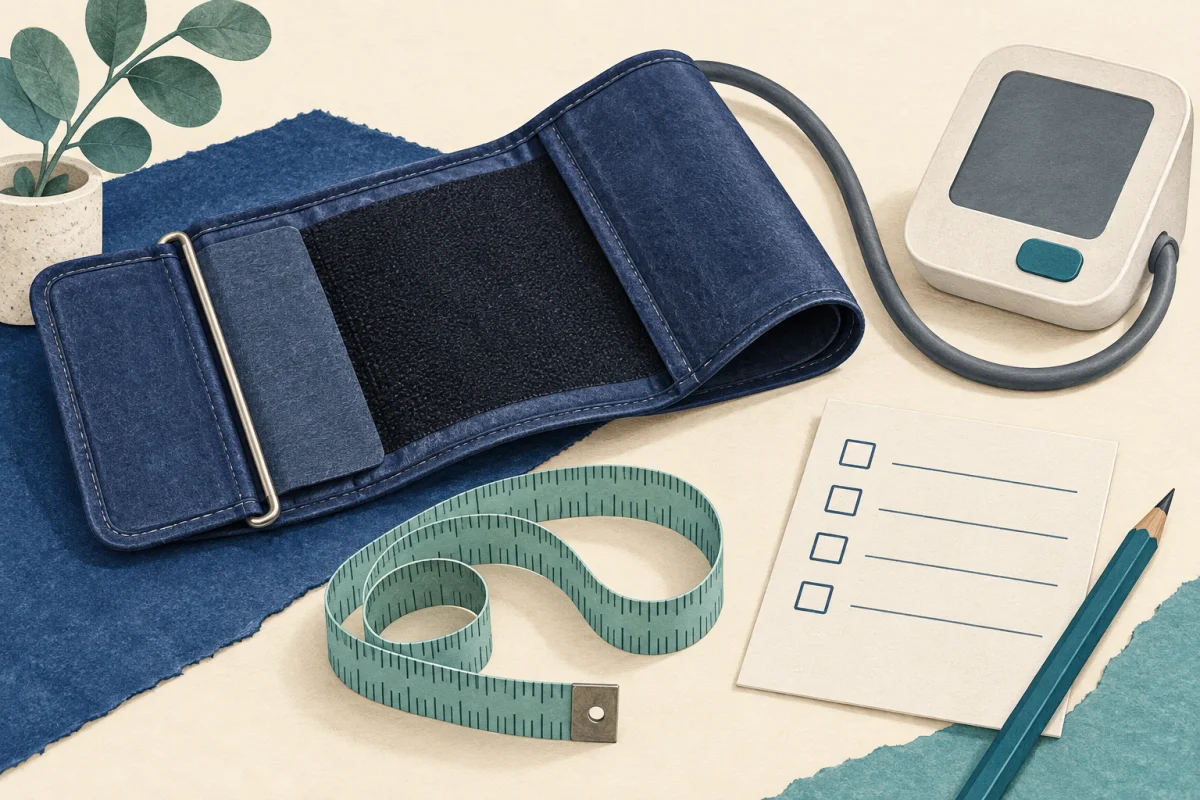
Does your blood pressure cuff fit? A home-monitor check
Check the arm-size range, exact monitor and cuff model, then prepare a short equipment note to take with your home blood pressure readings.

Why your A1C and home glucose log may look different
Separate laboratory A1C, estimated average glucose and selected home readings, then prepare the dates and original records for a useful care-team review.
Symptoms after a medicine change: prepare a pharmacist timeline
Keep medicine details and symptom observations in separate dated entries so a pharmacist can review what changed without a diary declaring the cause.

A migraine diary you can keep on a bad day
Start with a few useful details, leave uncertain times approximate, and make a short summary for your next appointment.
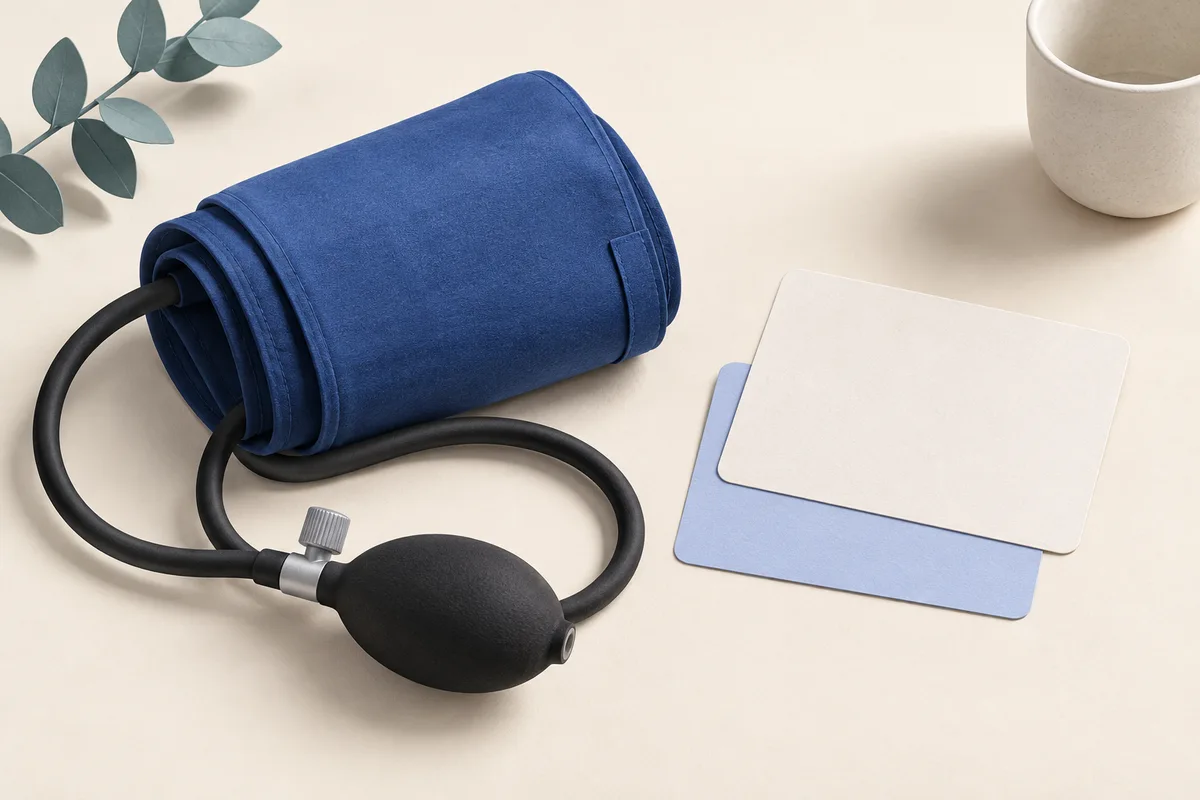
How to keep a blood pressure log with two readings
A clear record keeps both measurements, their time, and anything that affected the measurement.
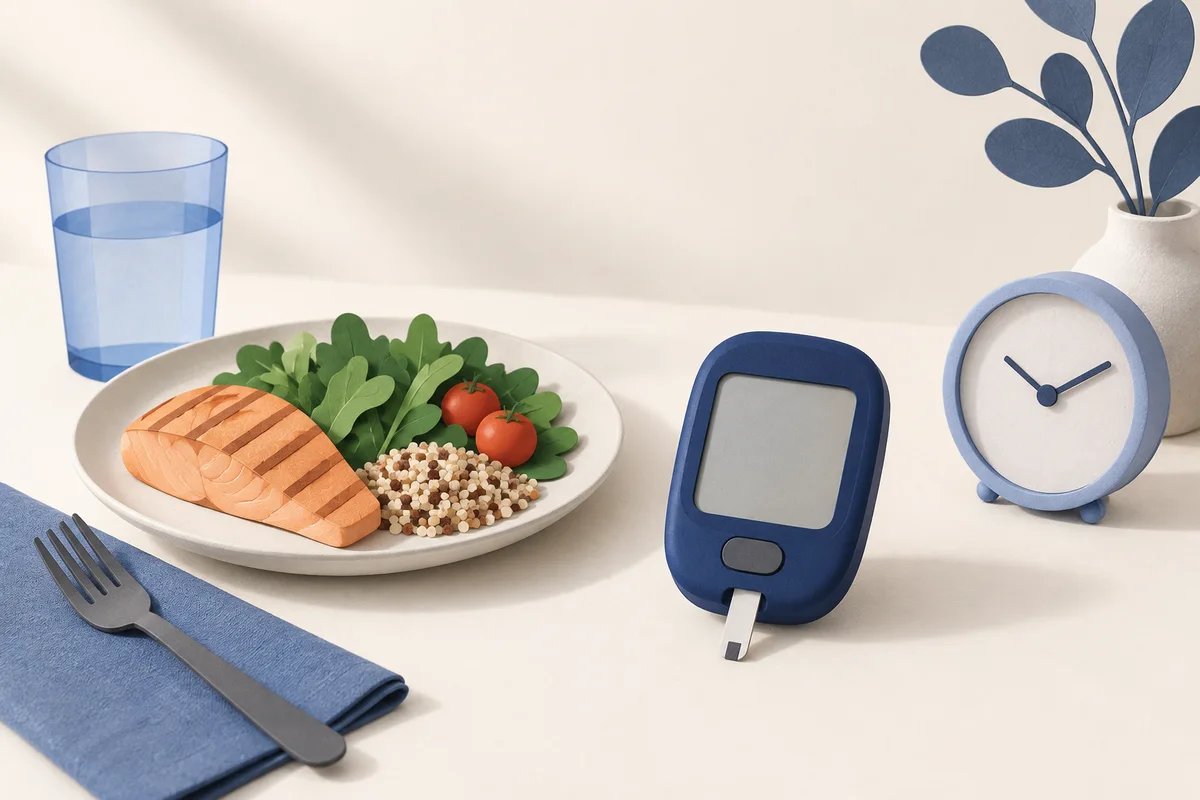
What belongs in a blood sugar log?
Keep units, timing, and context beside each glucose result so the numbers still make sense later.

Turn scattered symptom notes into an appointment summary
A simple timeline can explain what changed, what gets interrupted, and what you want help understanding.
A bipolar mood log needs more than “good” or “bad”
Record mood, energy, and sleep separately so your notes preserve changes that a single score can hide.
A BPD journal entry without self-judgment
Use a short sequence—situation, feeling, response, and what helped—to create notes you can discuss in therapy.

What to record in a POTS symptom log
Posture and activity can give a symptom note more context than an isolated heart-rate number.

Organize TRT records before a follow-up appointment
Keep prescribed treatment, actual administration, and blood-test details in a clear timeline.

A tinnitus diary that records impact, not just loudness
Short notes about sleep, concentration, and listening situations can make a follow-up discussion more specific.

What to write down before a hearing appointment
Examples from real listening situations can be more useful than a single home-test score.

Dietary cholesterol logs and blood tests are different records
Keep food intake in one record and laboratory results in another so the two are not confused.

The serving-size mistake that changes a sodium log
A label amount needs the matching portion. Here is a simple way to keep the arithmetic visible.

A protein log that keeps portions and grams straight
Distinguish the weight of a food from the grams of protein it contains, then use one consistent record format.
Keep total and “net” carbohydrate separate in your log
A record is easier to use when it says which carbohydrate figure you entered and where it came from.
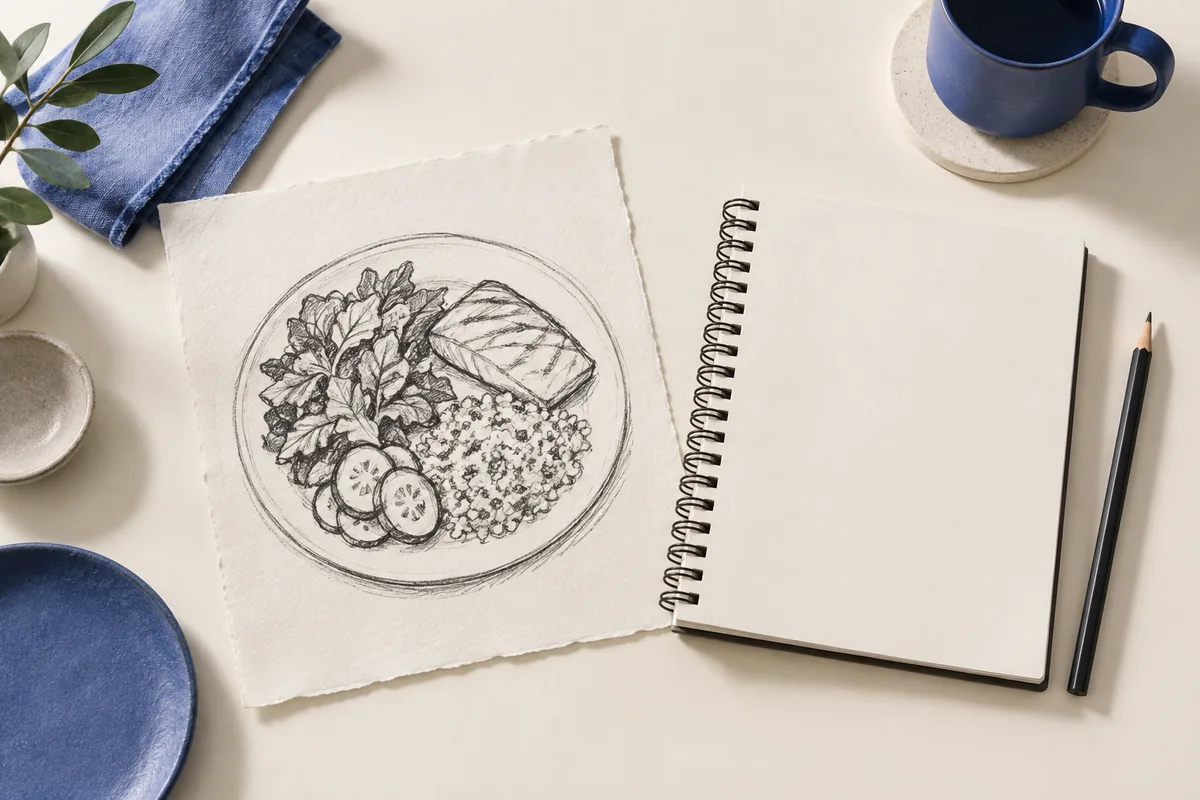
How to keep a food log when portions are estimates
A useful food record can acknowledge uncertainty instead of turning every meal into an exact-looking number.

An alcohol log needs drink size and strength
“One drink” can describe very different amounts. Keep volume and ABV beside the name.

Make a supplement list your pharmacist can use
Product names, ingredient amounts, and actual use make a clearer record than “I take a multivitamin.”

Record meal timing without turning it into a fasting target
A neutral timing log can show when you eat and how the day fits together, without prescribing a schedule.